Affiliate Disclosure: This post contains affiliate links. If you buy through these links, we may earn a small commission at no extra cost to you. We only recommend gear we’ve tested on real rock.
The First Fall
You’ve been leading the third pitch of the day, your forearms are chalked-dry and your fingers are starting to cramp. You clip the final anchor, unclip from the bolt, and hang there for a moment — just breathing, feeling the rope go taut through your belay device below. That’s when it hits you: every ounce of your weight is suspended by a few inches of nylon webbing stitched together with reinforced knots. The harness around your waist and legs is the only thing between you and a twenty-foot drop onto granite. It sounds dramatic, but it’s true. And that’s exactly why choosing the right climbing harness matters more than choosing the right carabiners or the right shoes.
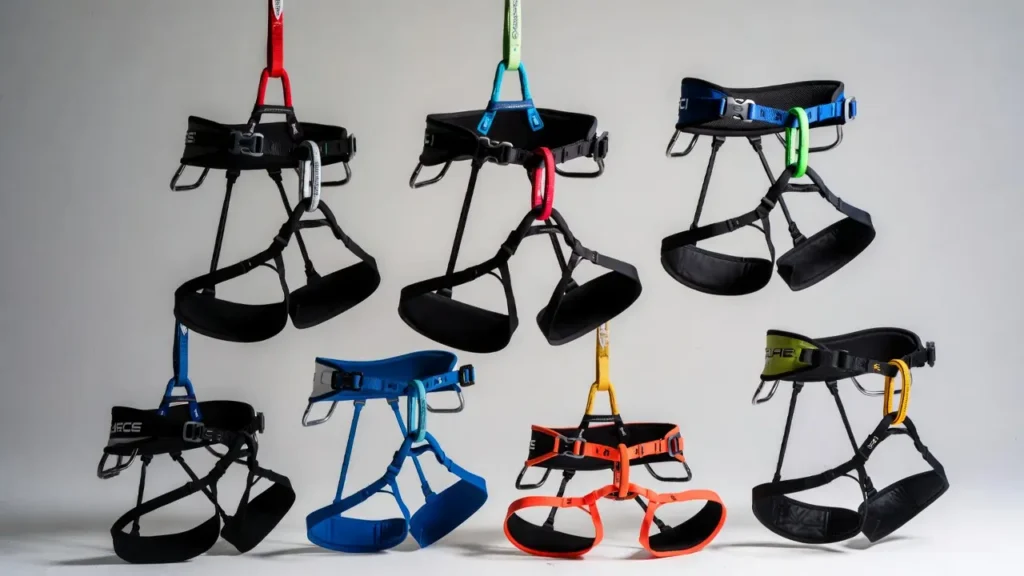
A good harness disappears beneath your clothing. You forget it’s there until you need it — and then it distributes your entire body weight evenly across your hips and thighs, leaving your core free to move, reach, and balance. A bad harness digs into your sciatic nerve after ten minutes hanging on a belay ledge, makes high-stepping impossible because the leg loops are too stiff, or slides down during a fall because the waist belt isn’t cinched tight enough. The harnesses on this list span everything from ultralight sport climbing wraps to heavily padded multi-pitch workhorses. Choose based on where you climb most, not where you wish you climbed.
Quick Pick: Which Harness Is Yours?
| Your Climbing Style | Recommended Harness | Weight | Key Feature |
|---|---|---|---|
| Best all-around sport | Black Diamond Solution | ~13 oz | Fusion Comfort 3-strand webbing |
| Hanging comfort | Petzl Sama | ~14 oz | ENDOFRAME padding, elasticized leg loops |
| Best value / sustainable | Edelrid Jay III | ~14.5 oz | bluesign® certified, movable hip pad |
| Maximum adjustability | Mammut 4 Slide | ~17 oz | 4-buckle system, wear indicator |
| Best seller / beginner | Black Diamond Momentum | ~12 oz | Speed Adjust buckle, trakFIT leg loops |
| Universal all-rounder | Petzl Corax | ~15 oz | Dual waist buckles, FRAME construction |
| Women’s specific | Metolius Safe Tech Deluxe SB | ~8.8 oz | Dual belay loops, fleece-lined waist belt |
| Rugged durability | Singing Rock Garnet | ~17 oz | Conical buckles, abrasion-resistant shell |
My top three if I had to choose: The Black Diamond Solution for sport climbers who want maximum mobility without bulk. The Petzl Sama if you spend a lot of time hanging on belay ledges — its ENDOFRAME padding genuinely changes the comfort equation. And the Black Diamond Momentum for beginners or gym regulars who want proven reliability at an approachable price.
What to Look For Before You Buy
A climbing harness needs to do three things: distribute fall forces safely across your pelvis, organize your gear within easy reach, and stay comfortable whether you’re clipping quickdraws or hanging for twenty minutes while your partner leads. Here’s what matters:
| Feature | Why It Matters |
|---|---|
| Waist belt padding | More padding = more comfort on long belays; less padding = lighter and better for dynamic movement |
| Leg loop type | Fixed elastic = lightweight but size-critical; adjustable buckles = versatile but add weight |
| Gear loop count | 2–4 loops for gym/sport; 4+ plus haul loop for traditional/multi-pitch |
| Buckle type | Pre-threaded (Speed Adjust) = foolproof; dual buckles = precise fit but more to check |
| Weight | Under 12 oz = ultralight sport; 14–17 oz = all-around comfort; over 17 oz = heavy-duty alpine |
| Certification | CE EN 12277 + UIAA are mandatory — never buy uncertified harnesses |
When shopping for the best climbing harnesses, prioritize fit and certification over weight or features. A harness that doesn’t sit correctly on your body is dangerous regardless of how light or well-equipped it is.
Best Climbing Harnesses
Black Diamond Solution

The Solution is the reference point for lightweight sport climbing harnesses. Its Fusion Comfort Construction replaces thick foam blocks with three separate strands of structural webbing that flex independently as you move. The result is a harness that feels almost invisible on your body — no bulky foam layers, no stiff waist belt fighting your bends. Four molded gear loops are positioned for easy access, and the contoured tie-in points keep the rope cleanly positioned even during dynamic moves. The fixed elasticized leg loops save weight but require accurate sizing since they don’t adjust for layering.
The trade-off: No leg loop adjustment means you can’t widen them to step into the harness over bulky boots. It’s designed for sport climbing, not alpine approaches.
Key specs: Fusion Comfort 3-strand webbing, fixed elasticized leg loops, 4 molded gear loops, ~13 oz (size M), CE + UIAA certified.
Best for: Dedicated sport climbers, indoor gym project workers, and lead specialists prioritizing mobility over adjustability.
Petzl Sama

The Sama was designed for one purpose: making long hanging belays tolerable. Petzl’s ENDOFRAME system splits the waist belt padding into two separate foam blocks connected by thin webbing strips. This layout eliminates the pressure line down the center of your lower back — the single biggest complaint with traditional harnesses. The variable-thickness foam is thickest where you need support (lower lumbar) and thinner where you need flexibility (waistband edges). Dynamic elasticized leg loops stay put during climbs without binding your thighs, and the men’s-specific anatomical rise ratio accounts for the different hip-to-waist proportion in male bodies.
The trade-off: Non-adjustable leg loops limit how easily you can step into the harness over bulky footwear. It’s fine for gym shoes and approach shoes, not ideal for mountaineering boots.
Key specs: ENDOFRAME split padding, non-adjustable elasticized leg loops, 2 rigid front + 2 flexible rear gear loops, ~14 oz, 3-year warranty.
Best for: Gym project climbers, multi-pitch sport route workers, and anyone who spends significant time hanging on belay ledges.
Edelrid Jay III

The Jay III punches above its weight class in terms of versatility and value. bluesign® certified materials mean the fabric and dye processes meet strict environmental standards, and the build quality backs up the eco-credentials. The movable hip padding lets you slide the tie-in point and gear loops to your preferred position — useful if you have an asymmetrical torso or simply prefer one side for quickdraws. The Dyneema-reinforced tie-in protector extends the harness’s lifespan against rope friction, which matters enormously if you’re leading frequently. Adjustable leg loops with Slide Block buckles accommodate everything from summer shorts to winter fleece. At its price point, it offers features usually found on harnesses costing twice as much.
The trade-off: At 410 grams, it’s slightly heavier than minimalist non-adjustable sport harnesses. The extra material is the price of adjustability.
Key specs: 3D mesh padding, adjustable Slide Block buckles, movable hip pad, Dyneema tie-in protector, 4 symmetrical gear loops, ~410g (14.5 oz), bluesign® certified.
Best for: Budget-conscious climbers, beginners expanding into multi-discipline routes, via ferrata users, and environmentally-minded buyers.
Mammut 4 Slide

With four adjustment buckles — two on the waist belt and two on the leg loops — the 4 Slide offers the broadest sizing range of any harness on this list. You can dial it in precisely for summer gym sessions or tighten it over thick alpine pants in winter. Split Webbing Technology separates the main structural strap into two parallel bands, improving breathability and reducing pressure points along the waist. The integrated wear indicator inside the tie-in loop turns red when the internal webbing shows signs of degradation — a genuine safety feature that eliminates guesswork about harness age. Four robust racking loops handle heavy trad racks without sagging.
The trade-off: Four buckles mean more to check during partner safety inspections. If you’re lazy about double-backing buckles, this harness’s flexibility becomes a liability.
Key specs: Split Webbing Technology, 4-slide adjustment buckles, integrated wear indicator, 4 racking loops, bluesign® certified, CE + UIAA.
Best for: Multi-season climbers, alpine adventurers, mountaineers, and riders with changing body profiles needing maximum sizing range.
Black Diamond Momentum

The Momentum is the best-selling climbing harness in the world for good reason: it works. The pre-threaded Speed Adjust buckle is genuinely foolproof — you pull the tail through, it locks automatically, and you never have to remember which way to thread it. Sliding trakFIT leg-loop tabs adjust instantly without metal buckles catching on gear loops or fabric. Dual Core Construction padding provides solid comfort for all-day gym sessions or weekend cragging. Four molded gear loops plus a rear haul loop cover every practical need for sport and approach climbing. At roughly $80, it delivers premium features without premium pricing.
The trade-off: The thick Dual Core padding adds bulk compared to laminated alternatives. It’s comfortable, but not the lightest option for long approach hikes.
Key specs: Speed Adjust pre-threaded buckle, sliding trakFIT leg loops, Dual Core padding, 4 molded gear loops + haul loop, ~350g (12.3 oz), 2-year warranty.
Best for: Entry-level climbers, gym regulars, everyday sport climbers, and value-focused multi-discipline athletes.
Petzl Corax

The Corax is Petzl’s answer to the climber who refuses to specialize. Ice climbing in winter, sport climbing in summer, via ferrata on vacation — the Corax handles it all. Dual DoubleBack waist buckles ensure the belay loop stays perfectly centered regardless of your waist size, which matters enormously when you’re clipping into anchors upside down. FRAME technology spreads load evenly across your lower back during extended hangs, and the fully adjustable leg loops accommodate any layering situation. It’s one of the heavier harnesses at 430 grams, but that weight reflects robust construction rather than excess padding.
The trade-off: At 430 grams, it’s the heaviest recreational option here. If you’re primarily doing gym climbing or short sport routes, a lighter harness makes more sense.
Key specs: FRAME technology, dual DoubleBack waist buckles, fully adjustable leg loops, 4 gear loops (2 rigid front + 2 flat rear), ~430g (15.2 oz), CE EN 12277 Type C + UIAA.
Best for: All-around climbers switching between rock, ice, via ferrata, and gym climbing throughout the year.
Metolius Safe Tech Deluxe SB

Built specifically for women’s anatomy, the Safe Tech Deluxe SB addresses fit issues that standard harnesses create. The wider waist belt distributes pressure across a larger surface area of the pelvis, reducing hot spots during long belays. The plush fleece lining adds warmth and comfort — a genuine advantage in cold weather or on chilly gym walls. Dual independent belay loops provide hardware redundancy and prevent gear from tangling during multi-pitch changeovers. The single-point unified rise and leg loop adjustment system simplifies fitting: one pull adjusts both waist and leg length simultaneously, eliminating the guesswork of matching two separate adjustments.
The trade-off: The extra-wide padded footprint and fleece lining run noticeably warm in humid summer conditions. Not ideal for hot-weather gym sessions.
Key specs: Extra-wide fleece-lined waist belt, dual belay loops, single-point rise/leg adjustment, 4 gear loops + haul loop, ~8.8 oz, CE + UIAA certified.
Best for: Safety-conscious female climbers, traditional multi-pitch route workers, and anyone needing extra lumbar cushioning.
Singing Rock Garnet

The Garnet is built like a tank — intentionally so. Singing Rock uses a high-strength abrasion-resistant polyester and nylon shell that laughs at rough rock surfaces, pack straps rubbing against it, and the general abuse of multi-season outdoor use. The ergonomic foam padding distributes loads evenly without creating pressure lines, and the tapered conical leg buckles slide smoothly even with chalky fingers. Four high-capacity gear loops hold a full trad rack without sagging, and the reinforced belay hub withstands repeated rope friction on multi-pitch routes. At 1.06 pounds, it’s the heaviest harness here, but that weight reflects durable materials rather than luxury padding.
The trade-off: Weight is the primary compromise. At 17 ounces, it’s noticeable on long approach hikes where every gram counts.
Key specs: Abrasion-resistant polyester/nylon shell, ergonomic foam padding, conical leg buckles, 4 gear loops, ~480g (17 oz), CE + UIAA.
Best for: Multi-discipline traditional climbers, crag beginners demanding rugged durability, and alpine multi-pitch route workers.
Integrating Your Harness Into the Whole System
A harness protects your body, but climbing safety depends on the complete kit.
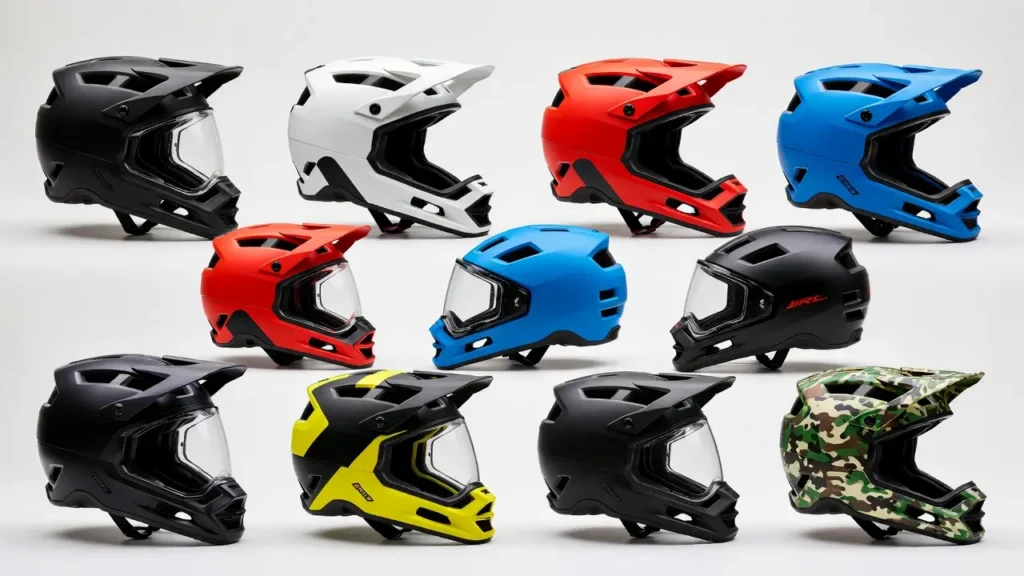
On impact protection. When you’re leading above your last bolt, a fall can send you swinging into the rock face. Pair your harness with a properly fitted full-face mountain bike helmet for trail riding days — yes, helmets belong on climbs too, especially when rockfall is a real possibility on crumbling sandstone or loose scree.
On gear transport. A heavy trad rack in your harness combined with a poorly fitted backpack creates shoulder strain on long approaches. Our guide to ultralight backpacks under 2 lbs covers how to minimize base weight so your climbing gear feels manageable on the hike in.
On foot support. Good climbing shoes transfer force from your foot to tiny cracks and edges — but they won’t help if your ankles roll on the approach. Check our beginner hiking boots guide for grip and ankle support recommendations that keep you safe before you even touch the rock.
On emergency readiness. Rope burns, finger jams, and abrasions are part of the climbing experience. Pack a compact wilderness first aid kit in your pack so minor injuries are treated immediately rather than climbed through.
Frequently Asked Questions
How do I know if my climbing harness fits correctly?
Cinch the waist belt snugly above your hip bones (iliac crest), not resting directly on them. Perform the flat-hand test: you should be able to slide a flat hand between the harness and your waist, but not turn your hand into a fist. Then test for gap safety — try pulling the cinched waistband down over your hips. If the harness slips past your hip bones, it’s too large. A properly fitted harness will feel firm but not restrictive, and it won’t shift during movement.
What’s the difference between a gym harness and a multi-pitch climbing harness?
Gym harnesses prioritize comfort and simplicity. They often have thick padding for long hanging belays, fewer gear loops (2–4), and sometimes fixed leg loops since you’re not layering up. Multi-pitch and traditional harnesses focus on gear organization and weather adjustability. They typically have 4+ stiff gear loops, a rear haul loop for a secondary rope, slots for ice clippers, and fully adjustable leg loops to accommodate changing layers. Many modern all-around harnesses bridge both worlds effectively.
When should I retire my climbing harness?
Replace your harness immediately after any severe fall where the belay loop or tie-in points absorbed significant impact force. Even without crashes, retire your harness after 5 years from first use, or 10 years from manufacture date. Nylon and polyester fibers degrade gradually from UV exposure, humidity, body sweat, and temperature cycling — none of which is visible to the naked eye. Heavy users climbing multiple times per week should inspect their harness constantly and replace every 1–2 years.
What do CE and UIAA certifications mean for climbing harnesses?
CE (European Conformity) and UIAA (International Climbing and Mountaineering Federation) certifications guarantee that a harness has passed rigorous lab drop-tests and structural stress checks. Specifically, the waist belt, tie-in points, and belay loop must withstand forces exceeding 15 kiloNewtons (kN) — roughly 3,300 pounds of linear force. Every legitimate climbing harness sold in developed markets carries these certifications. Never buy uncertified or unbranded harnesses from discount retailers.
Should I buy a men’s, women’s, or universal climbing harness?
Women’s-specific harnesses account for narrower waists relative to hips and different hip-to-waist ratios. The Metolius Safe Tech Deluxe SB is designed specifically for this anatomy with a wider waist belt and fleece lining positioned for female body proportions. Universal harnesses like the Petzl Corax or Black Diamond Solution work well for many women, especially those with more balanced waist-to-hip ratios. Try before buying if possible — the difference between a good fit and a great fit is the difference between a comfortable day on the wall and constant readjustment.
The Way of Returning
“善缘者,因势利导。”
(Those who understand connection let the rope find its own path.)
— Adapted from Zhuangzi, Chapter 2
The best harness is the one you stop feeling — it carries you without demanding attention, and lets you focus entirely on the next hold.
Among the best climbing harnesses available, the right choice depends on where you climb, how long you hang, and what kind of routes you pursue. Tie in with confidence. Trust your gear. And let the rock meet you without resistance.