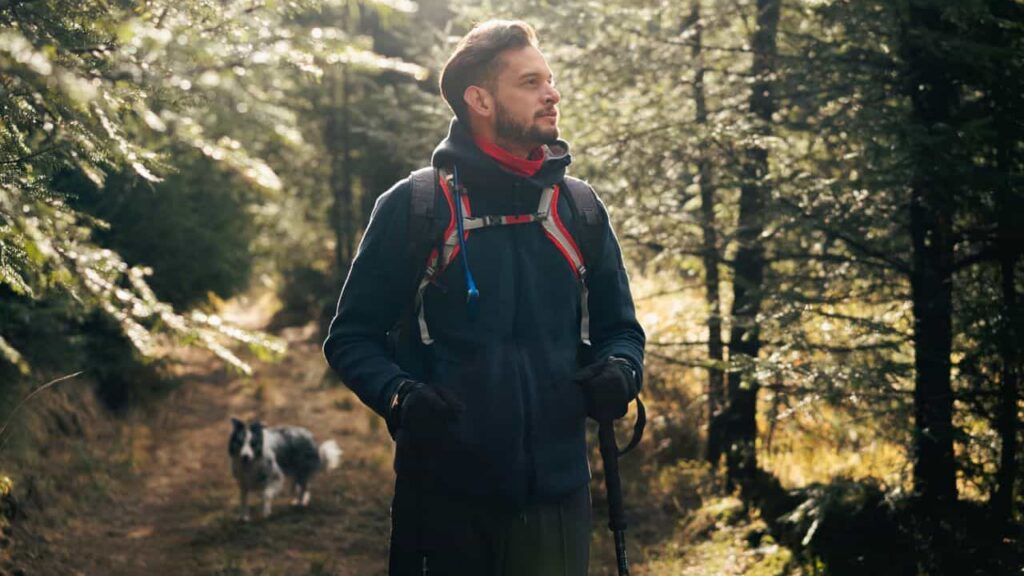
The best waterproof hiking jacket is not the most expensive one on the shelf. It is the one that matches your terrain, your pace, and your tolerance for weight — and among the best waterproof hiking jackets listed here, each one serves a different kind of hiker. It is the one that matches your terrain, your pace, and your tolerance for weight. Step onto the trail with confidence. Let the rain fall where it will. And choose the shell that keeps you dry without weighing you down.
How to choose: If you need a jacket for alpine climbing and extreme conditions, the Arc’teryx Beta AR is the best investment. If you want the lightest emergency shell that fits in a pocket, the Outdoor Research Helium is unmatched. For general-purpose hiking in wet climates, the Patagonia Torrentshell 3L offers the best balance of protection and value. The key is matching the jacket to the worst weather you expect to face, not the best weather you hope to get. A heavy shell on a dry day is dead weight; a light shell in a storm is a liability.
Final note: A waterproof jacket is the most important piece of emergency gear in your pack. Even on a clear day, conditions can change in minutes at elevation. The best waterproof hiking jackets are the ones you carry every day, wear when you need them, and forget about when you do not. Do not leave the trailhead without one.
Every piece of gear in your pack serves the same purpose: to let you walk further, stay longer, and see more. The best jackets are the ones that do their job so quietly that you forget they are there. Choose wisely, maintain carefully, and the trail will reward you with miles of uninterrupted focus on what matters most — the path ahead and the mountain under your feet.
A waterproof jacket is the difference between a miserable day in the rain and a comfortable day in the rain. The best waterproof hiking jackets are the ones that keep the weather out and let you focus on the trail, not the fa Rain or shine, the right jacket keeps you on the trail. Do not let a little weather turn you around. The best jacket is the one you bring on every hike, not the one you leave at home because it is too heavy or too bulky. Match the shell to the season and the terrain.bric.
Affiliate Disclosure: This post contains affiliate links. If you buy through these links, we may earn a small commission at no extra cost to you. We only recommend gear we’ve tested on real trails.
The Tao of Keeping Water Out
Lao Tzu wrote: “上善若水,水善利万物而不争。”
The highest good is like water. Water benefits all things without competing. In the mountains, water does not ask permission — it falls, it flows, it soaks through everything unprotected. A waterproof jacket is your answer to that indifference. It does not fight the rain; it lets water slide off while keeping your body dry from the inside.
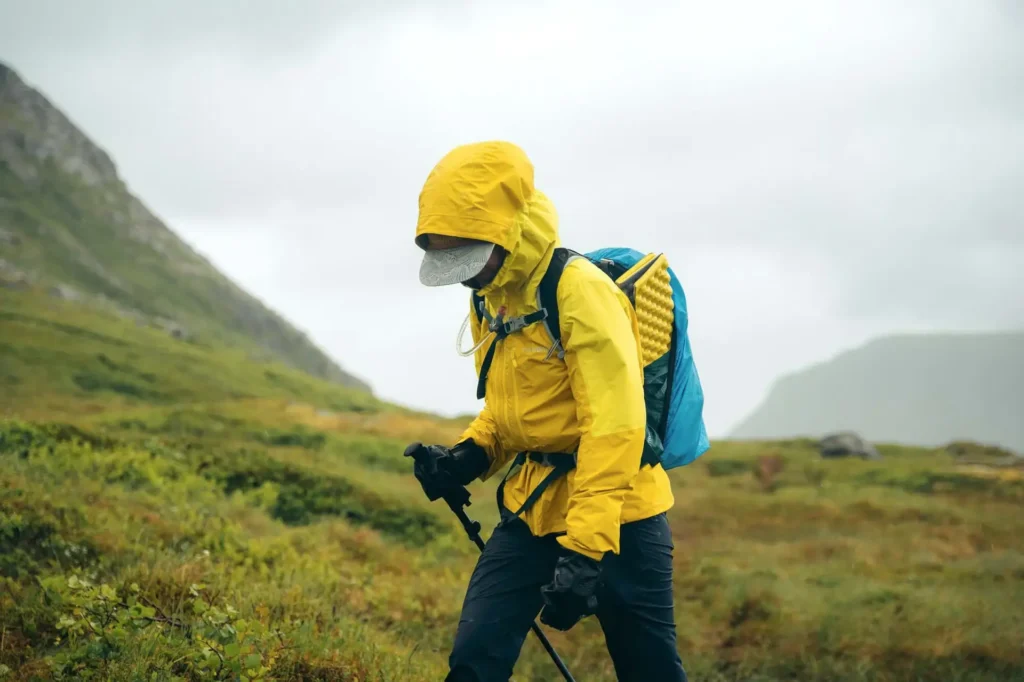
The best waterproof hiking jacket is not about the most marketing terms or the highest millimeter rating. It is about whether you can trust it when the sky opens up three miles from the trailhead and there is nowhere to hide. When searching for the best waterproof hiking jackets, the goal is the same: find a shell that keeps rain out and sweat out without weighing you down.
A Lesson From a Soaked Ridge
I learned what a cheap rain shell costs on a ridge traverse in the Olympics. It was supposed to be a day hike. The forecast said clear skies. By noon, the clouds dropped to tree line and stayed there — cold, steady rain for six hours. My $60 department-store shell held water for about twenty minutes, then surrendered. Inside, my fleece was soaked through. Not from rain. From sweat. The shell had stopped water coming in, but it also stopped moisture going out. I was wet from both sides.
That taught me that waterproof and breathable are two different promises, and most budget shells break one of them. A proper technical shell keeps rain out and sweat out. The trade-off is always weight, durability, or price. Pick which you can live without.
Quick Pick: Which Shell Is Yours?
| Your Use Case | Recommended Jacket | Weight | Layer Count | Key Feature |
|---|---|---|---|---|
| Severe alpine, bombproof | Arc’teryx Beta AR | ~16.2 oz | 3-layer Pro ePE | Reinforced high-wear zones, helmet-compatible hood |
| Maximum ventilation | Outdoor Research Aspire II | ~11.7 oz | 2-layer GORE-TEX | TorsoFlo™ side zippers, poncho-style airflow |
| Budget 3-in-1 versatility | Marmot Minimalist Component | ~25-29 oz | 2.5-layer Paclite + liner | Removable insulated liner, PFC-free DWR |
| Heavy storm protection | Rab Firewall | ~15.5 oz | 3-layer Pertex Shield | 20,000mm hydrostatic head, extended back coverage |
| Technical scrambling | Black Diamond Liquid Point | ~12-15 oz | 2.5-layer Paclite | Trim fit, two-way pit zips, gusseted underarms |
| Ultralight speed | Salomon Bonatti Pro WP | ~7 oz | Lightweight adv.DRY™ | Stuffs to fist size, race-ready |
| Eco-conscious durability | Fjällräven Keb Eco-Shell | ~16.5-18.3 oz | 3-layer Eco-Shell | 30,000mm waterproof, fluorocarbon-free, silent stretch |
| Alpine mountaineering | Mammut Nordwand Advanced HS | ~15.5 oz | 3-layer GORE-TEX PRO | Vertical Motion hem lock, crampon-resistant panels |
My top three if I had to choose: The Arc’teryx Beta AR for anyone who wants a jacket that will outlast a decade of abuse in severe conditions. The Outdoor Research Aspire II for hikers who overheat easily and need maximum venting on steep climbs. And the Salomon Bonatti Pro WP for fast-and-light trail runners who need emergency storm protection in the smallest possible pack.
What to Look For Before You Buy
A good waterproof hiking jacket should handle two opposing forces: keep liquid rain out while letting vapor sweat escape. Here is how to judge that:
| Feature | Why It Matters |
|---|---|
| Layer construction | 3-layer Pro ePE is the most durable; 2.5-layer Paclite is lighter but wears faster under pack straps |
| Waterproof rating | 10,000mm+ handles rain; 20,000mm+ handles sustained storms and snow |
| Breathability rating | Look for MVTR (moisture vapor transmission rate). Higher is better for high-output activity |
| Ventilation zips | Pit zips are often more effective than membrane breathability alone during steep climbs |
| DWR coating | The outer fabric must bead water. When it stops beading, wash and re-treat — the membrane is likely still intact |
If the DWR fails, the jacket feels clammy even though the membrane works. Maintenance matters as much as purchase. See our guide to thermoregulation base layers for the layering system underneath your shell.
When shopping for the best waterproof hiking jackets, prioritize these five features over brand names or price tags.
Every jacket below earns its spot by solving a real problem on wet trails — whether that means bombproof storm protection, maximum ventilation, or ultralight packability. If you are searching for the best waterproof hiking jackets and want to skip the guesswork, the table above gives you a direct answer.
Severe Weather Shells (3-Layer Pro)
Arc’teryx Beta AR Jacket

The Beta AR is the benchmark for serious backcountry use. GORE-TEX PRO ePE three-layer construction with reinforced shoulders and elbows takes pack straps, rock scrapes, and branch whips without complaint. The StormHood™ fits over a helmet and adjusts without losing its shape. Pit zips dump heat fast when the climb gets steep.
The trade-off: At around $600 retail, it is the most expensive option here. The face fabric makes a noticeable crinkle sound when you move. Some hikers find that distracting.
Key specs: GORE-TEX PRO ePE 3-layer hybrid construction — N40d body fabric with N80d reinforced shoulders and elbows for pack-strap abrasion resistance, helmet-compatible StormHood™, underarm zip ventilation, ~460g / 16.2 oz.
Best for: High-altitude mountaineering, winter alpine hiking, and multi-day expeditions where gear failure is not an option. Pair with our ultralight backpacks under 2 lbs for heavy-load alpine trips.
Rab Firewall Jacket

The Firewall uses Pertex Shield stretch fabric instead of GORE-TEX, but it belongs in this list because it performs at the same level. 20,000mm waterproof rating, highly breathable, and the stretch fabric moves with you instead of against you. The longer cut in the back covers your lower spine when you lean forward under a loaded pack.
The trade-off: Slightly bulkier to pack than dedicated ultralight shells. The Pertex Shield fabric is less proven long-term than GORE-TEX PRO, though Rab’s reputation suggests it holds up well.
Key specs: Pertex Shield 3-layer, 20,000mm hydrostatic head, YKK AquaGuard pit zips, helmet-compatible wired-peak hood, ~440g / 15.5 oz.
Best for: Extended backcountry expeditions, multi-day mountain trekking, and heavy rainstorms in harsh, windy environments.
Mammut Nordwand Advanced HS Hooded Jacket

Mammut’s Nordwand is built for alpine environments where every component matters. The Vertical Motion hem locks the jacket in place when you reach overhead, so it never rides up. Reinforced panels resist crampon snags and sharp ice. GORE-TEX PRO with PFC-free ePE membrane gives top-tier waterproofing without environmental compromise.
The trade-off: Premium price and a technical, harness-oriented fit. If you want a casual day-hike shell, this feels overbuilt.
Key specs: GORE-TEX PRO 3-layer ePE, 100% recycled nylon face, Vertical Motion Technology, pit zips, ~440g / 15.5 oz.
Best for: Mountaineering, ice climbing approaches, and technical alpine routes.
Breathable & Ventilated Shells
Outdoor Research Aspire II Jacket

The Aspire II solves the classic hardshell problem: you cannot ventilate enough during steep climbs. Its TorsoFlo™ side zippers run from hem to bicep, turning the jacket into a poncho-style windbreaker when unzipped. Full GORE-TEX waterproofing keeps rain out while the side vents dump heat instantly.
The trade-off: The lightweight 2-layer construction is not built for bushwhacking or abrasion. Thorny brush and rocky scrambles will wear it faster than a 3-layer shell.
Key specs: 2-layer GORE-TEX, TorsoFlo™ full-length side zippers, fully adjustable hood, harness-accessible pockets, ~332g / 11.7 oz.
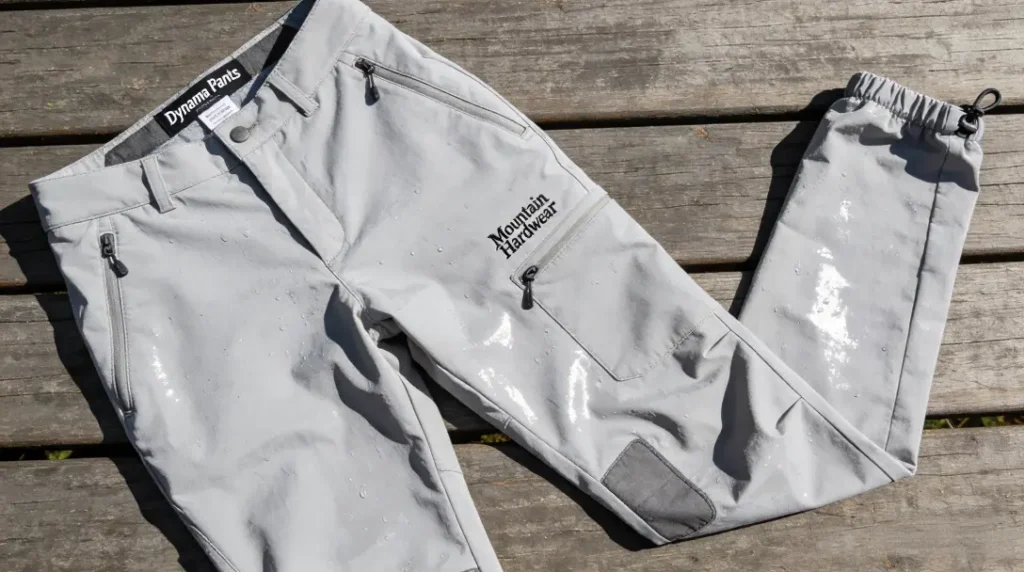
Best for: Fast-packing, humid rain hikes, and steep day hikes where continuous ventilation is critical. Complete your lower-body storm kit with our women’s hiking pants guide.
Lightweight & Packable Shells
Salomon Bonatti Pro WP Jacket

At just 7 ounces, the Bonatti Pro is the lightest shell on this list by a wide margin. It stuffs into a pocket the size of a fist and meets ultramarathon mandatory gear requirements. The adv.DRY™ membrane handles real rain, and the athletic trim prevents flapping in wind.
The trade-off: Thin face fabric means no off-trail bushwhacking. No pack straps, no rock scrapes, no scrambling through brush. This is a speed shell, not a durability shell.
Key specs: Lightweight adv.DRY™ membrane, 20,000mm/20,000g rating, smart hood, integrated stuff pocket, ~198g / 7 oz.
Best for: Trail running, mountain fastpacking, ultralight day hiking, and endurance race environments.
Black Diamond Liquid Point Shell

The Liquid Point is designed for movement. Trim silhouette, gusseted underarm panels, and two-way pit zips give scrambling hands full range of motion. GORE-TEX Paclite 2.5-layer keeps weight down while remaining waterproof for real rain.
The trade-off: The 2.5-layer interior can feel slightly sticky against bare skin during intense sweating. Always wear a base layer underneath.
Key specs: GORE-TEX Paclite 2.5-layer, two-way pit zips, low-profile cuffs, Napoleon chest pocket, helmet-compatible hood, ~350-410g depending on size.
Best for: Alpine scrambling, technical ridge hikes, climbing approaches, and fast-moving backcountry trips.
Value & Versatile Options
Marmot Minimalist Component Jacket

The Minimalist Component is a 3-in-1 system: a GORE-TEX Paclite rain shell plus a removable synthetic insulated liner. Buy one jacket, get two. The outer shell is PFC-free and has pit zips; the liner adds warmth for cold rain days. It is heavier than a dedicated ultralight shell, but the versatility is unmatched at this price.
The trade-off: Combined weight is significant. If you only need rain protection, a dedicated shell is lighter and packs smaller.
Key specs: GORE-TEX Paclite 2.5-layer, removable Thermal R® liner, PFC-free DWR, pit zips on outer shell, ~700-820g total system.
Best for: Budget-conscious hikers, 3-season day explorers, and cold-weather rain trips requiring modular warmth.
Fjällräven Keb Eco-Shell Jacket

The Keb Eco-Shell is for hikers who care about materials as much as performance. Made from 100% recycled polyester with a fluorocarbon-free DWR, it achieves 30,000mm waterproof rating — higher than most shells on this list. The stretch fabric moves silently with your body, eliminating the crinkle that plagues many hardshells.
The trade-off: Heavier than minimalist nylon shells at 470-520g. The recycled fabric is durable but not as packable as ultra-thin options.
Key specs: 3-layer Eco-Shell stretch fabric, 30,000mm waterproof, 26,000 g/m²/24h breathability, fluorocarbon-free DWR, bluesign® approved, two-way side ventilation zips.
Best for: Eco-conscious trekkers, cold-weather wilderness adventures, and multi-year Scandinavian-style hiking trips.
Integrating Your Shell Into the Whole System
A rain jacket is only one part of your weather system. Pair it with the right support and navigation tools.
On stability in bad weather. Rain makes trails slick — mud, wet roots, loose rock. Reliable trekking poles give you four points of contact instead of two. Our indestructible trekking poles guide covers what to look for when conditions turn brutal.
On navigation when visibility drops. Torrential rain reduces visibility to a few meters. Before stepping onto exposed alpine routes, know how to navigate without relying on screen glare. See our trail navigation beyond GPS guide for route-finding principles that work when technology fails.
Frequently Asked Questions
Are GORE-TEX jackets worth the premium over cheaper waterproof shells?
Yes — if you hike regularly in rain. Technical membranes have decades of field validation for the balance between waterproofing and breathability. Cheap shells often stop water but trap sweat, making you wetter from the inside than if you wore nothing at all. For occasional use, a budget Paclite-style shell is fine. For regular backcountry use, GORE-TEX pays for itself.
How do I maintain the DWR coating on my waterproof jacket?
When the outer fabric stops beading water and instead goes dark and wet-looking, the DWR is failing. Wash the jacket with a technical cleaner (Nikwax or Grangers), then tumble dry on low heat to reactivate the DWR. If beading still fails after washing, apply a spray-on DWR treatment. This restores surface water repellency without replacing the membrane.
What is the difference between GORE-TEX Pro and GORE-TEX Paclite?
GORE-TEX Pro is a 3-layer construction with a durable face fabric protecting the membrane from abrasion. It is heavier but lasts hundreds more trail miles. GORE-TEX Paclite is a 2.5-layer construction that is lighter and more packable but wears faster, especially under backpack straps. Choose Pro for durability, Paclite for weight savings.
Do I need pit zips if my jacket has good breathability?
Mechanical ventilation is always more effective than membrane breathability alone. Even the best waterproof membrane has a physical limit on how much vapor it can transmit during high-output effort. Pit zips drop internal temperature by 8-12°F within minutes and prevent sweat buildup before it saturates your base layer. If you climb steep terrain in rain, pit zips are essential.
Can I wear a technical shell as an everyday rain jacket?
Yes, but you are paying for technical features you may not need. GORE-TEX hiking jackets prioritize breathability, packability, and trail-specific design. For city commuting or casual use, a lighter rain shell without GORE-TEX branding will do the job at a fraction of the cost. Save the GORE-TEX for the trail.
The Way of Returning
“知者不博,博者不知。”
(Those who know do not collect everything; those who collect everything do not truly know.)
— Lao Tzu, Tao Te Ching, Chapter 81
A jacket does not need every feature. It needs the right features for the weather you will actually face.
The best waterproof hiking jacket is not the most expensive one on the shelf. It is the one that matches your terrain, your pace, and your tolerance for weight — and among the best waterproof hiking jackets listed here, each one serves a different kind of hiker. It is the one that matches your terrain, your pace, and your tolerance for weight. Step onto the trail with confidence. Let the rain fall where it will. And choose the shell that keeps you dry without weighing you down.
How to choose: If you need a jacket for alpine climbing and extreme conditions, the Arc’teryx Beta AR is the best investment. If you want the lightest emergency shell that fits in a pocket, the Outdoor Research Helium is unmatched. For general-purpose hiking in wet climates, the Patagonia Torrentshell 3L offers the best balance of protection and value. The key is matching the jacket to the worst weather you expect to face, not the best weather you hope to get. A heavy shell on a dry day is dead weight; a light shell in a storm is a liability.
Final note: A waterproof jacket is the most important piece of emergency gear in your pack. Even on a clear day, conditions can change in minutes at elevation. The best waterproof hiking jackets are the ones you carry every day, wear when you need them, and forget about when you do not. Do not leave the trailhead without one.
Every piece of gear in your pack serves the same purpose: to let you walk further, stay longer, and see more. The best jackets are the ones that do their job so quietly that you forget they are there. Choose wisely, maintain carefully, and the trail will reward you with miles of uninterrupted focus on what matters most — the path ahead and the mountain under your feet.
A waterproof jacket is the difference between a miserable day in the rain and a comfortable day in the rain. The best waterproof hiking jackets are the ones that keep the weather out and let you focus on the trail, not the fa Rain or shine, the right jacket keeps you on the trail. Do not let a little weather turn you around. The best jacket is the one you bring on every hike, not the one you leave at home because it is too heavy or too bulky. Match the shell to the season and the terrain.bric.