Affiliate Disclosure: This post contains affiliate links. If you buy through these links, we may earn a small commission at no extra cost to you. We only recommend gear we’ve tested on real trails.
The Tao of Stepping Lightly
Lao Tzu wrote: “A journey of a thousand miles begins with a single step.”
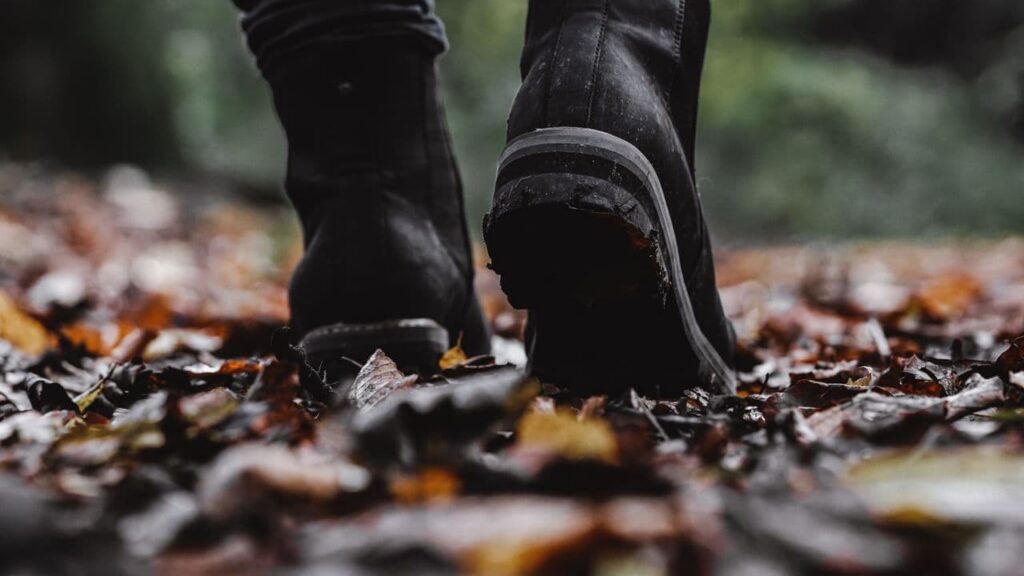
Of all the gear you pack for a hike, boots are the most fundamental. They are the interface between your body and the ground — translating every rock, root, and slope into feedback your feet can read. A good pair lets you feel the trail without being punished by it.
Many beginner hiking boots look tough on the shelf but feel like bricks on day one. Too stiff, too heavy, too narrow. Pick the wrong pair and you’ll be counting miles instead of enjoying them. Pick the right one and the first few miles feel easy enough to keep going.
The search for the best beginner hiking boots under 100 is not about finding the cheapest option — it’s about finding the one that performs reliably without breaking the bank. Budget hiking boots have come a long way, and several brands now offer genuine trail-ready footwear at prices that make sense for newcomers. Whether you need waterproof hiking boots for beginners or a lightweight pair for dry summer trails, the options below cover every base.
A Lesson From My First Hike
Ten years ago, I bought a pair of cheap hiking boots from a department store. They looked tough — thick leather, heavy soles, promised “all-terrain grip.” By mile two, my heels were blistered raw. By mile four, my toes were jammed against the front because the boots had zero flexibility. I spent the rest of that hike limping, convinced that hiking shoes were just uncomfortable by design.
That was wrong. The boots weren’t bad because they were cheap — they were bad because they were designed for a store display, not for walking. The right budget boot doesn’t feel like a compromise. It feels like the first step on a trail should feel: grounded, balanced, ready.
Every trade-off below is honest. No boot does everything perfectly. Pick the one that matches your feet and your terrain.
Quick Pick: Which Boot Is Yours?
| Your Need | Recommended Boot | Price Range | Weight (pair) | Key Feature |
|---|---|---|---|---|
| Best overall, zero break-in | Merrell Moab 3 Waterproof | ~$90-100 | ~1.9 lbs | Vibram TC5+ grip, out-of-box comfort |
| Maximum durability, leather | Merrell Ontario Mid | ~$80-95 | ~2.2 lbs | Full-grain leather, 500+ mile lifespan |
| Wide feet, natural toe splay | Altra Lone Peak All-Wthr Mid | ~$90-100 | ~1.8 lbs | Zero-drop, FootShape toe box |
| Wet rock grip | Adidas Terrex Swift R2 Mid GTX | ~$80-100 | ~1.6 lbs | Continental Tire rubber outsole |
| Best value, ultra-light | Northside Snohomish | ~$40-60 | ~1.6 lbs | Zero break-in, featherweight |
| Classic leather style | Timberland White Ledge Mid | ~$70-90 | ~2.1 lbs | Oil-tanned leather, urban-to-trail |
| Athletic, fast hiking | Salomon X Ultra 4 Mid GTX | ~$90-100 | ~1.5 lbs | Advanced Chassis stability |
| Warm weather, low-cut | Vasque Breeze LT Low GTX | ~$80-100 | ~1.3 lbs | Vibram Megagrip, breathable |
| Muddy trails | NORTIV 8 Waterproof | ~$50-70 | ~1.9 lbs | Deep lugs, aggressive tread |
| All-season, balanced | Columbia Crestwood Mid | ~$60-80 | ~1.8 lbs | Omni-Tech waterproof, versatile |
| Wet climate traction | Hi-Tec Altitude VI WP | ~$70-90 | ~2.0 lbs | Michelin outsole, wet traction |
My top three if I had to choose: The Merrell Moab 3 Waterproof for most beginners — it needs zero break-in and works on almost any terrain. The Altra Lone Peak All-Wthr Mid for wide-footed hikers who hate toe-jamming on descents. And the Northside Snohomish for absolute beginners on a tight budget who want something light and comfortable immediately.
What to Look For Before You Buy
A good budget hiking boot should have four things:
| Feature | Why It Matters |
|---|---|
| Upper material | Split-suede leather or reinforced mesh resists abrasion; thin glued synthetics crack within months |
| Outsole tread | Deep multi-directional lugs (4mm+) grip wet rock, mud, and loose gravel; flat soles slip on clay |
| Waterproof membrane | Sealed seam construction blocks stream crossings; spray-on coatings wash off after one trip |
| Heel counter | A firm heel cup keeps your foot stable; soft heels cause blisters and ankle rolls |
If the sole peels, the upper cracks, or the waterproofing fails in the first 100 miles, return it. Budget doesn’t mean accepting garbage. When shopping for the best beginner hiking boots under 100, prioritize these four features over brand names or marketing claims.
Day Hiking Boots (Under 2 lbs)
Merrell Moab 3 Waterproof

The Moab 3 is the default recommendation for beginner hikers for a reason. It comes comfortable out of the box — no painful break-in period. The pigskin leather and breathable mesh upper handles muddy trails and dry dust equally well. The Vibram TC5+ outsole grips wet rock better than most boots in this price range. Among the best beginner hiking boots under 100, it earns the top spot by being the safest bet for someone who just wants to hit the trail without overthinking gear.
The trade-off: It’s slightly heavier than ultralight options at around 1.9 lbs per pair. For day hikes and weekend trips, this weight is barely noticeable. For thru-hiking, it adds up.
Key specs: M Select DRY waterproof membrane, Vibram TC5+ rubber outsole, bellows tongue keeps debris out, 11mm heel-to-toe drop, air cushion in the heel.
Best for: Day hikers and weekend backpackers who want a reliable, protective boot that works on almost any trail without break-in.
Columbia Newton Ridge Plus

The Newton Ridge Plus combines traditional full-grain leather looks with modern cushioning. The Techlite midsole returns energy on hard-packed trails, while the Omni-Grip outsole handles wet surfaces. It looks good enough for casual wear but performs well on actual trails.
The trade-off: Full-grain leather is stiff out of the box. Expect about 20 miles of break-in before it feels truly comfortable. If you want instant comfort, the Moab 3 is a better pick.
Key specs: Omni-Tech waterproof-breathable membrane, Techlite lightweight midsole, full-grain leather and suede upper, supportive ankle cuff.
Best for: Novice backpackers and weekend hikers who prefer the look and feel of a classic leather boot.
Salomon X Ultra 4 Mid GTX

The X Ultra 4 Mid blends trail-runner agility with mid-height ankle support. Salomon’s Advanced Chassis system between the outsole and midsole provides excellent lateral stability on uneven terrain. The Contagrip TD outsole bites into roots, rocks, and mud.
The trade-off: The fit is narrow and athletic. If you have wide feet or high arches, these will feel restrictive. Try them on with hiking socks before committing.
Key specs: GORE-TEX Performance Comfort membrane, Contagrip TD outsole, Advanced Chassis stability, quicklace system.
Best for: Fast-paced day hikers and athletic hikers navigating rocky, technical terrain who want a nimble footprint.
Adidas Terrex Swift R2 Mid GTX

The standout here is the Continental Tire rubber outsole — the same compound used in car tires. On wet granite, slick river stones, and damp trail surfaces, this grip is noticeably better than standard hiking boot rubber. The ripstop synthetic upper keeps weight down while resisting tears.
The trade-off: The EVA midsole is tuned for responsiveness, not heavy-load cushioning. If you’re carrying a 40+ lb backpack, you’ll feel the difference on long days.
Key specs: GORE-TEX waterproof lining, Continental Rubber outsole, quick-lace system, ripstop synthetic upper with TPU overlays.
Best for: Athletic hikers and speed hikers who prioritize grip on wet rock over heavy-load cushioning.
Budget Champions (Under $70)
Northside Snohomish

At $40-60, the Snohomish is the cheapest option that still performs on real trails. No proprietary technology names, no marketing fluff — just a lightweight synthetic upper, basic waterproof lining, and a multi-directional rubber outsole. It requires zero break-in and weighs about 1.6 lbs per pair.
The trade-off: Durability is limited. Synthetic materials and basic outsoles are built for roughly 200-400 miles of light use. If you hike weekly, you’ll outgrow these in a season. If you hike occasionally, they’re perfect.
Key specs: Synthetic leather and mesh upper, basic waterproof lining, EVA foam midsole, fully gusseted tongue, ~1.6 lbs per pair.
Best for: Occasional trail walkers, beginners testing the hobby, and anyone who wants dependable footwear without spending much.
NORTIV 8 Waterproof Hiking Boots

NORTIV 8 punches well above its price point. The full-grain leather and split-suede upper is surprisingly durable for the cost, and the deep-lug outsole digs into mud and loose dirt effectively. At $50-70, it competes with boots costing twice as much.
The trade-off: The internal padding and hardware tolerances feel less refined than heritage brands. After 200+ miles, the comfort edge may wear faster than a Merrell or Salomon.
Key specs: Full-grain leather and split-suede upper, waterproof membrane, deep multi-directional lug outsole, rubber toe cap, ~1.9 lbs per pair.
Best for: Value seekers and occasional backpackers who need a rugged, heavily treaded boot for muddy, unmaintained routes.
Columbia Crestwood Mid Waterproof

The Crestwood strikes a rare balance: suede leather on high-wear areas, mesh panels for ventilation elsewhere. Omni-Tech waterproofing keeps feet dry, and the Techlite midsole provides decent cushioning for the price. It’s a solid all-season choice.
The trade-off: The factory foam insole is basic. Hikers with high arches should plan to swap in a supportive aftermarket insole ($10-15).
Key specs: Omni-Tech seam-sealed membrane, Omni-Grip non-marking outsole, Techlite cushioning midsole, suede leather and mesh upper, ~1.8 lbs per pair.
Best for: All-season beginners and multi-terrain day hikers looking for a reliable, breathable, waterproof baseline boot.
Premium Budget Options ($70-100)
Hi-Tec Altitude VI WP

Hi-Tec paired a premium full-grain leather upper with a Michelin rubber outsole — the same tire company that makes some of the best motorcycle and car tires. The result is exceptional wet-rock grip at a budget price. The DRI-TEC waterproof lining and OrthoLite footbed add comfort.
The trade-off: The insulated leather upper runs warm. In summer heat or arid climates, your feet will get hot. Save this for wet, cool-weather trails.
Key specs: Michelin rubber outsole, DRI-TEC waterproof lining, full-grain leather with i-shield hydrophobic treatment, OrthoLite footbed, rustproof metal hardware.
Best for: Beginners in wet, damp, or muddy climates who demand superior multi-surface traction.
Timberland White Ledge Mid

The White Ledge is a classic. Full-grain oil-tanned leather develops a beautiful patina over time, and the seam-sealed construction handles puddles and light stream crossings. It transitions easily from trail to everyday wear. The ReBOTL lining uses recycled plastic bottles — a small sustainability win.
The trade-off: The lifestyle-oriented rubber lug outsole lacks the deep, aggressive tread needed for steep, slick clay slopes. Stick to well-maintained trails with this one.
Key specs: Oil-tanned full-grain leather, seam-sealed waterproof construction, D-ring lacing system, 6.5-inch ankle cuff, RecBOTL recycled fabric lining.
Best for: Hikers who want a durable leather boot that works on trails and in town, with classic styling.
Vasque Breeze LT Low GTX

Technically a low-cut hiking shoe, the Breeze LT Low belongs here for warm-weather hikers. The Vibram Megagrip outsole is one of the best traction compounds available at any price. GORE-TEX keeps light rain out while the synthetic microfiber upper breathes better than most mid-cut boots.
The trade-off: Low-cut design means no ankle support. On loose scree or uneven terrain, your ankles take more risk. Not suitable for heavy backpacking.
Key specs: GORE-TEX Extended Comfort membrane, Vibram Megagrip outsole, synthetic microfiber and mesh upper, ~1.3 lbs per pair, 8mm drop.
Best for: Warm-weather day hikers, arid climate trails, and crossover trail runners seeking premium traction without boot weight.
Specialized Picks
Merrell Ontario Mid Waterproof

The Ontario Mid is Merrell’s workhorse. Full-grain waterproof leather, Vibram TC5+ outsole, and all-metal lacing hardware. This boot is built to last 500+ miles with proper care. It’s heavier and stiffer than the Moab series, but it recovers its shape better over time.
The trade-off: Requires a 30-mile break-in period. The full leather casing is rigid out of the box. If you need instant comfort, choose the Moab 3 instead.
Key specs: Full-grain waterproof leather, M Select DRY membrane, Vibram TC5+ outsole, all-metal speed hooks, ~2.2 lbs per pair.
Best for: Durability purists and wilderness backpackers who want a leather boot that outlasts synthetics.
Altra Lone Peak All-Wthr Mid

Altra’s signature FootShape toe box lets your toes spread naturally, eliminating the side compression that causes blisters and black toenails on steep descents. The zero-drop platform encourages a midfoot strike and natural alignment. The eVent waterproof membrane is highly breathable — your feet stay drier than with many GORE-TEX boots.
The trade-off: Transitioning to zero-drop takes adaptation. If you’ve always worn traditional 10-12mm drop shoes, go gradual. Start with short walks and build up over 3-4 weeks to avoid calf tightness or Achilles strain.
Key specs: FootShape toe box, zero-drop platform, eVent waterproof-breathable membrane, MaxTrac rubber outsole with TrailClaw lugs, Altra EGO foam midsole.
Best for: Natural movement purists, wide-foot hikers, and anyone prone to downhill toe trauma.
Integrating Your Boots Into the Whole System
Footwear is just one part of your trail system. Pair the right boot with the right gear for the conditions.
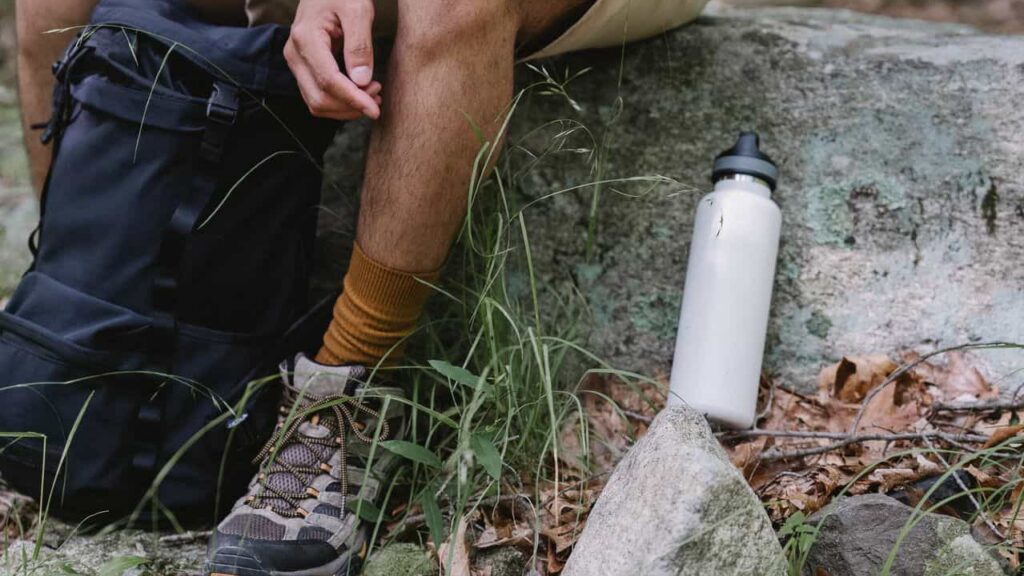
On sock choice. Bad socks ruin good boots. Merino wool or synthetic blend hiking socks wick moisture and prevent blisters. Cotton kills — it holds sweat and creates friction. See our guide to thermoregulation base layers for layering principles that apply to socks too.
On pack pairing. Your boot choice affects what you can carry. Heavy leather boots pair well with structured packs; lightweight trail runners work with minimalist frames. Cross-reference our ultralight backpack guide to build a balanced system.
Frequently Asked Questions
Should I size up hiking boots?
Yes — buy half a size to a full size larger than your street shoes. Your feet swell on the trail, and you need room to slide forward on descents without jamming your toes. Try boots on with the hiking socks you’ll actually wear.
Are waterproof boots necessary?
For wet climates, yes. Stream crossings, rain, morning dew — waterproof membranes keep your feet dry and prevent blisters. For hot, dry climates, non-waterproof mesh boots breathe better and dry faster if they get wet.
How do I know if a boot fits properly?
Stand in the boot with hiking socks on. Slide your foot forward until your toes touch the front. You should fit one finger’s width between your heel and the back of the boot. Walk on an incline — your toes should not slam into the front. Walk on a decline — your heel should not slip.
When should I replace hiking boots?
Replace when the outsole tread is smooth (less than 2mm lug depth), the midsole compresses permanently and no longer cushions, or the upper develops cracks that let water in. Most budget boots last 300-500 miles. Track your mileage if you hike regularly.
Can I use hiking boots for trail running?
Lightweight options like the Salomon X Ultra 4 or Adidas Terrex can double as trail runners for moderate speeds. But traditional hiking boots are too heavy and rigid for running. If you plan to run, look at trail running shoes instead.
The Way of Returning
But a journey of a thousand miles also demands the right shoes. The best beginner hiking boot under 100 is not the cheapest one on the shelf. It is the one that matches your feet, your terrain, and your budget — without compromise on safety.
Step onto the single-track with confidence. Respect the ground beneath you. And choose the pair that lets you focus on the trail ahead, not the pain beneath your feet.
“千里之行,始于足下。”
(A journey of a thousand miles begins with a single step.)
— Lao Tzu, Tao Te Ching, Chapter 64
The first miles on the trail are where the boots tell you who they are. The right pair does not announce itself with break-in or pain; it meets the ground as if it had known it all along, and lets the journey ahead unfold without asking for another thought about the feet beneath.