Affiliate Disclosure: This post contains affiliate links. If you buy through these links, we may earn a small commission at no extra cost to you. We only recommend gear that serves the hiker.
I have a friend who hikes in a cotton t-shirt in every season. He wears it under a fleece, under a shell, under a rain jacket, and he complains about being cold and damp on every trip. I have stopped telling him to switch to a merino base layer. He knows. He just has not made the switch yet. A good hiking base layer for cold weather is the single most important piece of clothing in the layering system, and he is still wearing cotton.
The difference between a cotton shirt and a proper base layer is the difference between hiking with a wet towel against your skin and hiking with a layer that manages moisture the way the body manages it naturally. The body sweats to cool itself. The base layer moves that sweat away from the skin so it can evaporate without chilling the body. The body cools itself, and the base layer helps the body do what it is already doing. This is what cold weather hiking clothing should do: work with the body, not against it.
The principle of a good base layer is the principle of non-interference. The base layer does not need to be smart. It does not need to be technical. It needs to be the kind of layer that gets out of the way of the body’s own thermoregulation. The less the base layer interferes with the body’s natural processes, the better it is doing its job.
The Dao De Jing says it this way: governing a large country is like cooking a small fish. Do not over-handle it. The best base layer is the one that does not over-handle the body. It does not overheat. It does not over-wick. It does not over-manage. It sits close to the skin, it moves moisture, and it lets the body do what the body has been doing for millions of years.
The Six Hiking Base Layer for Cold Weather Options at a Glance
| Base Layer | Weight | Material | Key Feature | Rating |
|---|---|---|---|---|
| Merino Protect 100% Merino Wool Base Layer | Listed on Amazon | 100% Merino wool | #31 in Men’s Base Layers | 4.6 / 5 |
| MERIWOOL Merino Midweight Long Sleeve Crew | Listed on Amazon | 100% Merino wool, 250g/m2 | #9 in Men’s Thermal Underwear | 4.7 / 5 |
| Minus33 Chocorua Midweight Crew | 11.2 oz | 100% Merino wool, 235g/m2 | UPF 50+, flatlock seams | 4.7 / 5 |
| Helly Hansen LIFA Merino Midweight Crew | 8.8 oz | 57% Merino wool, 43% polypropylene | 2-in-1 LIFA + Merino construction | 4.6 / 5 |
| Icebreaker 200 Oasis Long Sleeve Half Zip | Listed on Amazon | 100% Merino wool | Half-zip venting, 200 weight | 4.8 / 5 |
| Smartwool Classic Thermal Merino Base Layer Crew | 10.2 oz | 88% Merino wool, 12% nylon | #34 in Men’s Base Layers | 4.6 / 5 |
All specifications are listed as they appear on Amazon. These are product details from the public listings; this is not an exhaustive or independent test report.
The Six Best Hiking Base Layer for Cold Weather
1. Merino Protect 100% Merino Wool — The Pure Merino Entry Point
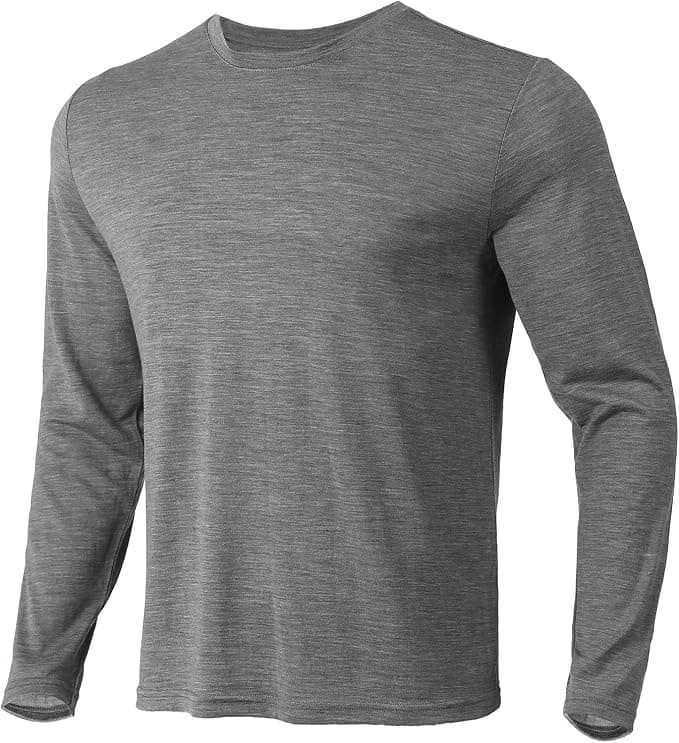
The Merino Protect 100% Merino Wool is a pure merino top for the hiker who wants the full benefits of one hundred percent merino wool at a price that makes it an easy first step into wool base layers. It is rated four point six out of five stars with three hundred and three customer reviews, and it is made of one hundred percent Australian merino wool with an ultrafine fiber structure designed to be soft and itch-free against the skin.
The base layer is built around a slim fit that sits close to the body for effective moisture wicking and temperature regulation. The merino wool naturally absorbs sweat and releases or retains heat depending on the conditions, helping the body maintain a comfortable temperature across a wide range of activity levels. The natural odor resistance of merino wool reduces the need for frequent washing, making this base layer a practical choice for multi-day trips. The crew neck and long sleeve design layers easily under a fleece or a shell.
The Daoist principle the Merino Protect carries is the one the Laozi puts behind the line about governing without over-handling. A base layer made of a single natural fiber that does what it does without chemical treatments or synthetic blends is a base layer that has understood the principle of simplicity. The merino wool manages moisture, regulates temperature, and resists odor without being asked to do anything else, and the base layer that does one thing well is the base layer that has done its job.
2. MERIWOOL Merino Midweight Long Sleeve Crew — The Lightweight Midweight
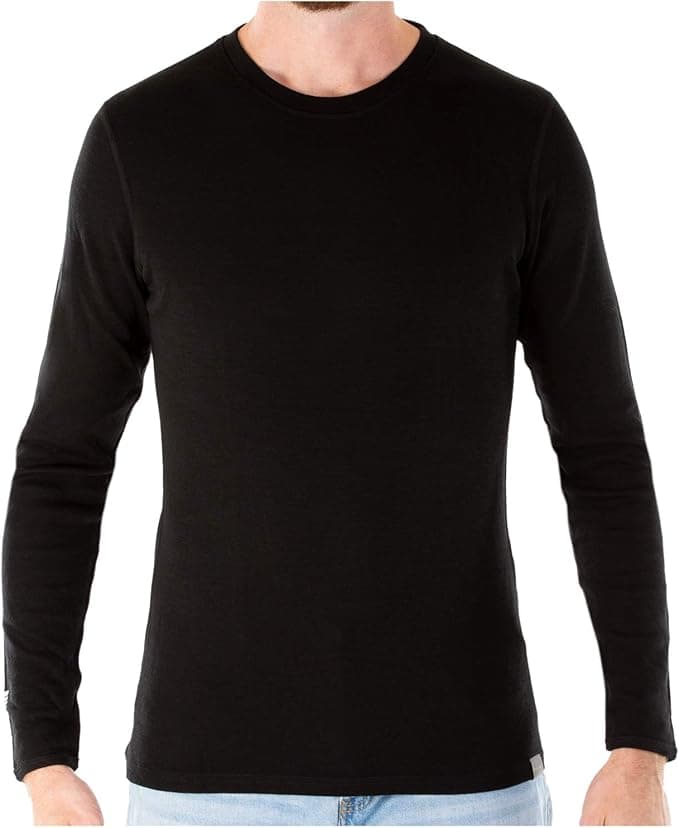
The MERIWOOL Merino Midweight Long Sleeve Crew is the base layer for the hiker who wants a midweight merino base layer that is light enough to wear in a wide range of conditions. This thermal base layer for hiking is rated four point seven out of five stars with one thousand and ninety-four customer reviews, and it is made of one hundred percent superfine eighteen-point-five micron merino wool in a two hundred and fifty gram per square meter weight that balances warmth with breathability.
The base layer is built around an interlock knit construction that provides a smooth interior and exterior surface, reducing bulk under a fleece or a shell. The fitted cut keeps the fabric in contact with the skin for effective moisture wicking, and the quick-drying properties of the merino wool make it practical for multi-day use. The fabric is machine washable and dryer-safe, and the natural odor resistance means it can be worn for multiple days between washes. The loop for hang drying is a thoughtful detail for camp use.
The Daoist principle the MERIWOOL carries is the one the Laozi puts behind the line about the balanced approach that does not over-handle the problem. A midweight base layer that is neither too heavy for warm conditions nor too light for cold conditions is a base layer that has found the balance that the Dao describes. The two hundred and fifty gram weight is not a compromise. It is the point where warmth and breathability meet, and the base layer that finds this balance is the base layer that has done its work.
3. Minus33 Chocorua Midweight Crew — The New England Standard
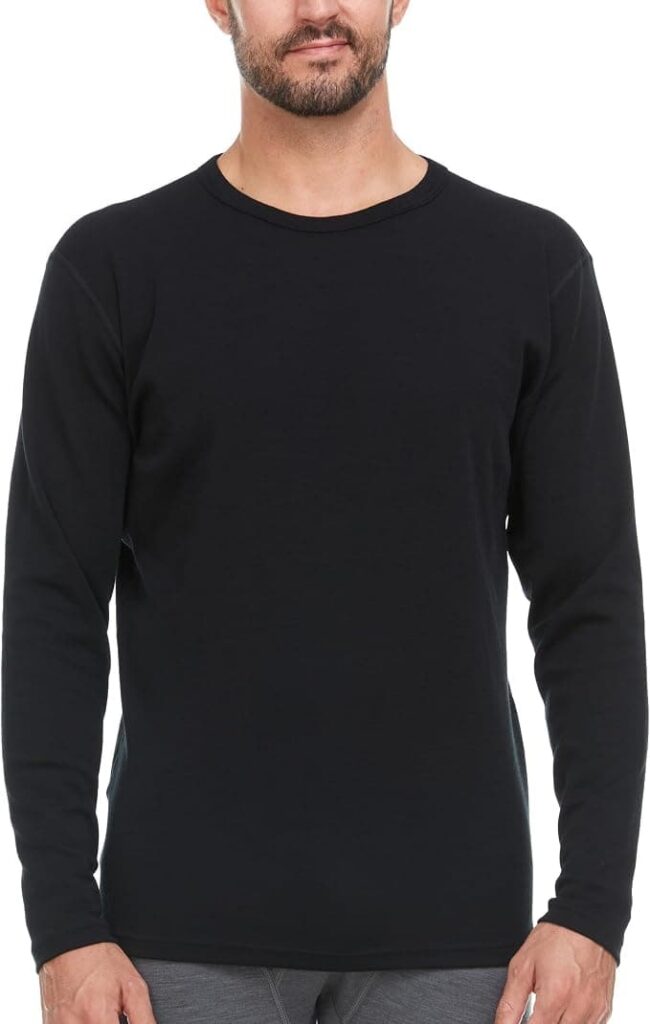
The Minus33 Chocorua Midweight Crew is the base layer for the hiker who wants a midweight merino top from a trusted American brand that has been making wool clothing since 1916. It is rated four point seven out of five stars with one hundred and eighty-eight customer reviews, and it is made of one hundred percent eighteen-point-five micron merino wool in a two hundred and thirty-five gram per square meter interlock knit construction.
The base layer is built around a midweight interlock knit that provides warmth without the bulk of a heavyweight fabric. The flatlock seams are positioned to eliminate chafing under a pack or a shell, and the tagless construction removes the source of irritation at the neck. The garment weight in size large is eleven point two ounces, which is three hundred and fifteen grams, and the UPF rating of fifty plus provides sun protection in exposed alpine conditions. The regular fit accommodates a range of body types without being too loose or too tight.
The Daoist principle the Minus33 carries is the one the Laozi puts behind the line about the thing that does not interfere because it has been refined over generations. A base layer from a company that has been in the wool business for more than a century is a base layer that carries the accumulated knowledge of generations of wool workers. The Chocorua is not the most innovative base layer in this guide. It is the most proven, and the proven base layer is the one that has done its work across the longest span of time.
4. Helly Hansen LIFA Merino Midweight Crew — The Two-Layer Innovation
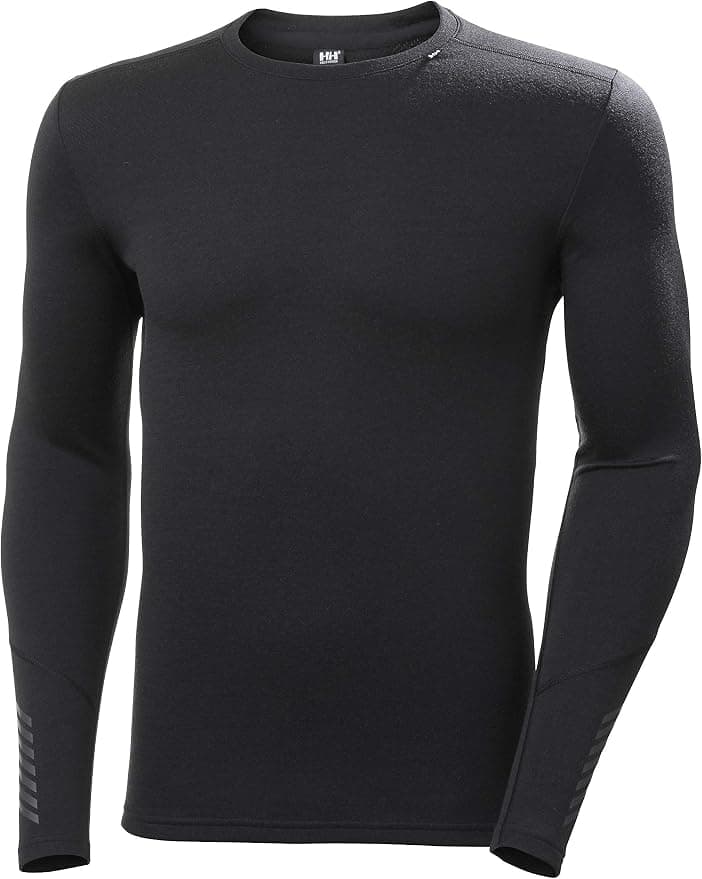
The Helly Hansen LIFA Merino Midweight Crew is the base layer for the hiker who wants the moisture management of synthetic with the warmth and comfort of merino wool, combined in a single two-layer construction. It is rated four point six out of five stars with six hundred and twenty-one customer reviews, and it weighs eight and eight-tenths of an ounce. It is made of fifty-seven percent merino wool and forty-three percent polypropylene in a unique two-in-one construction.
The base layer uses a construction that places a one hundred percent LIFA polypropylene interior against the skin and a one hundred percent merino wool exterior facing outward. The LIFA interior wicks moisture away from the skin and pushes it to the merino wool exterior, where it evaporates. This moisture wicking base layer design keeps the skin dry even during high-output activities. The merino wool exterior provides warmth and absorbs the moisture from the LIFA layer. The two-layer system is designed to keep the skin dry even during high-output activities, and the two hundred and twenty-five gram fabric weight provides midweight warmth that is appropriate for cold-weather hiking.
The Daoist principle the LIFA Merino carries is the one the Laozi puts behind the line about the balanced approach that uses two materials to do what one cannot. A base layer that puts the moisture-wicking synthetic on the inside and the natural merino on the outside is a base layer that has understood the principle of putting each material where it belongs. The LIFA does not try to be merino. The merino does not try to be synthetic. Each does what it does best, and the base layer that respects the nature of each material is the base layer that has followed the Dao.
5. Icebreaker 200 Oasis Long Sleeve Half Zip — The Venting Layer
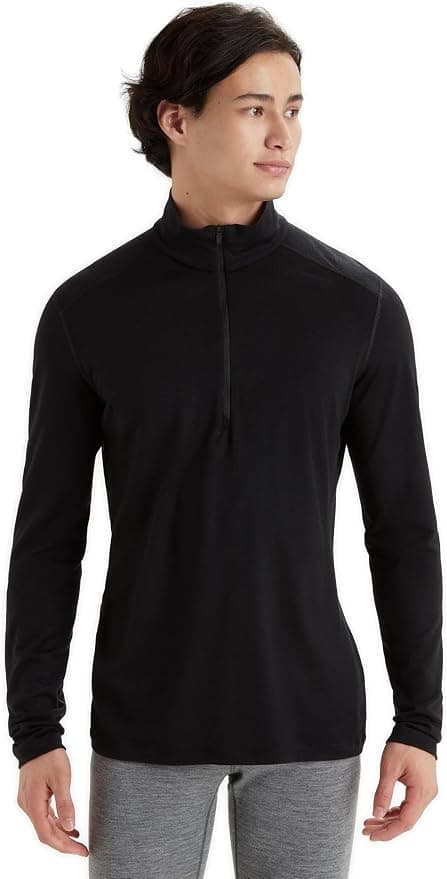
The Icebreaker 200 Oasis Long Sleeve Half Zip is the base layer for the hiker who wants the proven performance of the Icebreaker 200 Oasis fabric with the added ventilation of a half-zip front. It is rated four point eight out of five stars, and it is made of one hundred percent merino wool in the two hundred weight that Icebreaker has been refining for years.
The base layer is built around the 200 Oasis warmth system, which uses a one hundred percent merino wool jersey fabric that is designed for next-to-skin softness and maximum movement. The half-zip front allows the hiker to open the collar for ventilation on the ascent and close it for warmth at the summit. The mock neck provides extra coverage against the wind when the zipper is closed. The slim fit is designed for low-bulk layering under a fleece or a shell, and the natural moisture-wicking and temperature-regulating properties of the merino wool keep the body comfortable across a range of conditions.
The Daoist principle the Icebreaker carries is the one the Laozi puts behind the line about the one who knows when to open and when to close. A base layer with a half-zip that allows the wearer to choose between ventilation and warmth is a base layer that has understood the principle of the reversal. The open position is for the ascent. The closed position is for the summit. The base layer that gives the hiker the choice between the two is the base layer that has done its work.
6. Smartwool Classic Thermal Merino Base Layer Crew — The Proven Standard
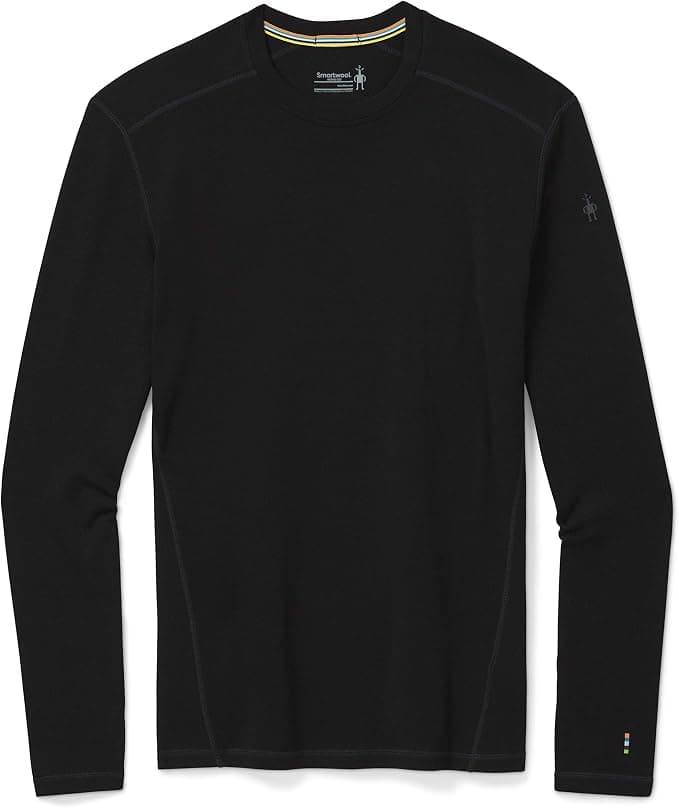
The Smartwool Classic Thermal Merino Base Layer Crew is a proven thermal top for the hiker who wants a reliable merino layer from a brand that has been a standard in the outdoor industry for years. This merino wool base layer is rated four point six out of five stars with seven hundred and ninety customer reviews, and it is made of eighty-eight percent merino wool and twelve percent nylon in a Classic Thermal Merino construction that balances warmth, durability, and breathability.
The base layer is built around a midweight merino fabric that uses an interlock knit construction for enhanced breathability and thermoregulation. The twelve percent nylon content adds durability at the elbows and shoulders without compromising the softness of the merino wool against the skin. The flatlock seams minimize chafing under a pack, and the regular fit provides a full range of motion without being too loose. The garment weight is ten point two ounces, and the fabric is machine washable for easy care.
The Daoist principle the Smartwool carries is the one the Laozi puts behind the line about the one who knows being the one who does not need to prove itself. A base layer that has been on the market for years, with nearly eight hundred customer reviews and a four point six rating, is a base layer that has earned its reputation through use rather than through marketing. The Smartwool Classic Thermal does not need to announce itself. The thousands of hikers who have worn it have done the announcing for it.
The Standard, Applied
The standard that runs through every base layer in this guide is the same standard that runs through every piece of gear on this site. The base layer should sit against the skin, manage the moisture the body produces, and interfere with the body’s natural processes as little as possible. A good hiking base layer for cold weather is the foundation of the entire layering system, and the foundation that does not require maintenance is the foundation that has done its work. The base layer that requires you to think about it, to adjust it, to manage it, is a base layer that has become a second job. The base layer that moves moisture, traps warmth, and goes quiet is a base layer that has done its job.
The principle of non-interference is the principle that the Dao De Jing describes in Chapter 60. Governing a large country is like cooking a small fish. Do not over-handle it. The body knows how to regulate its temperature. The base layer that helps the body do what it already does, without adding complexity or requiring attention, is the base layer that has followed the Dao. This is the same principle of letting go of the weight you carry in your mind that applies to every layer of the hiking system.
FAQ
Q: What is the difference between merino wool and synthetic base layers? A: Merino wool is natural, breathable, and resists odor naturally. It insulates when wet and is soft against the skin. Synthetic base layers (polyester, polypropylene) dry faster, are more durable, and are less expensive. Merino is better for cold-weather hiking where odor control and insulation matter. Synthetic is better for high-output activities where the base layer will be soaked repeatedly. For the outer layers that go over the base layer, the best waterproof hiking jackets are designed to work with a complete layering system.
Q: What weight base layer should I choose for cold-weather hiking? A: Lightweight (150-200 g/m²) is appropriate for high-output activities in cool weather. Midweight (200-250 g/m²) is the most versatile choice for cold-weather hiking. Heavyweight (250+ g/m²) is appropriate for winter camping and low-output activities in sub-freezing conditions.
Q: How many base layers should I carry on a multi-day trip? A: Carry at least one base layer per two days of hiking. Merino wool can be worn for two to three days without significant odor. Synthetic base layers develop odor more quickly but dry faster and can be rinsed in a stream and worn again the next day. Pairing a merino base layer with a fleece midlayer and a pair of beginner hiking boots creates a system that works across the full range of cold-weather conditions.
Q: Can I wear a base layer as a standalone shirt? A: Yes. Midweight and heavyweight base layers are thick enough to be worn as standalone shirts in cool weather. Lightweight base layers are better suited as a layer under a fleece or shell.
Q: How do I care for a merino base layer? A: Wash merino wool on a gentle cycle with cold water and a wool-specific detergent. Do not use fabric softener. Air dry or tumble dry on low heat. High heat can shrink and damage merino wool fibers.
Q: What is the best base layer for hiking in wet conditions? A: For wet conditions, a synthetic or blended base layer like the Helly Hansen LIFA Merino is a better choice. The LIFA interior wicks moisture away from the skin while the merino exterior provides warmth.
Q: How should a base layer fit? A: A base layer should fit snugly against the skin without being tight. The fabric should be in contact with the skin to wick moisture effectively. Loose base layers allow moisture to sit against the skin and cause chilling.
Summary
The best hiking base layer for cold weather is not the one with the most technology or the highest price. It is the one that sits against the skin, moves moisture away from the body, and interferes with the body’s natural thermoregulation as little as possible. The Merino Protect is the pure merino entry point. The MERIWOOL is the lightweight midweight that balances warmth and breathability. The Minus33 Chocorua is the proven New England standard. The Helly Hansen LIFA Merino is the two-layer innovation. The Icebreaker 200 Oasis Half Zip is the base layer with venting. The Smartwool Classic Thermal Merino is the proven standard. Each follows the same principle: the base layer that does not over-handle the body is the base layer that has done its work.